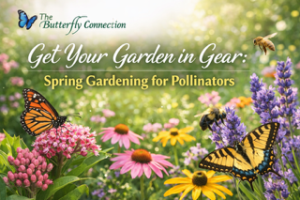
Spring doesn’t just arrive—it hums to life. And if you listen closely, you’ll hear it in the buzz of bees, the flutter of wings, and the quiet return of butterflies to your backyard.
If you’ve been waiting for the right time to refresh your garden, this is it. Spring is when pollinators wake up hungry, searching for food sources after a long winter. With a few intentional choices, your garden can become a thriving haven for butterflies, bees, and beyond.
And the best part? You don’t need acres of land—just a little planning and the right plants.
🦋 Why Pollinators Matter More Than Ever
Pollinators aren’t just pretty visitors—they’re essential. According to the U.S. Department of Agriculture, over one-third of the food we eat depends on pollination. That includes everything from apples to almonds.
But habitat loss and changing climates have made it harder for pollinators to survive. That’s where your garden comes in.
By planting with purpose, you’re not just creating beauty—you’re supporting life.
👉 Learn more about pollinator conservation from the Pollinator Partnership: https://www.pollinator.org
🌼 Start with the Right Spring Plants
Early bloomers are critical. When pollinators first emerge, nectar sources are limited—so your garden can be a lifeline.
Top pollinator-friendly plants for spring:
- Milkweed – Essential for monarch butterflies (it’s the only place they lay eggs)
- Coneflower (Echinacea) – A butterfly favorite that’s easy to grow
- Lavender – Attracts bees and smells incredible
- Black-eyed Susan – Bright, hardy, and pollinator-approved
If you want to go all-in on supporting monarchs, check out resources from the World Wildlife Fund:
https://www.worldwildlife.org/species/monarch-butterfly
🏡 Create a Pollinator-Friendly Habitat
It’s not just about flowers. Pollinators need a full environment to thrive.
Think of your garden as a home, not just a buffet.
Here’s how to make it inviting:
- Provide sunny spaces for butterflies to warm their wings
- Add a shallow water source (a dish with stones works perfectly)
- Leave a little wild space—not everything needs to be trimmed
- Skip pesticides whenever possible
These small changes can dramatically increase the number of pollinators you see.
🎨 Bring the Beauty Indoors, Too
A pollinator garden doesn’t have to stop at your back door.
One of the best ways to celebrate the season year-round is by bringing that natural beauty inside your home. Pieces like our real framed butterfly displays capture the same vibrant energy you’ll see in your garden—especially species like morphos and longwings that thrive in pollinator-rich environments.
👉 Explore our collection here:
https://thebutterflyconnection.com/shop
Whether you’re designing a space or gifting something unique, it’s a way to stay connected to the life you’re cultivating outside.
🌱 Simple Spring Gardening Checklist
Before you grab your gloves, here’s a quick checklist to get your garden in gear:
- Clear out old debris (but leave some natural habitat behind)
- Plant early bloomers for immediate nectar
- Choose a mix of colors and flower shapes
- Add water and sun-friendly features
- Plan for continuous blooms through summer
🦋 The Takeaway
Spring gardening isn’t just about what looks good—it’s about what lives in your space.
When you plant for pollinators, you’re creating movement, color, and life that evolves day by day. And once the butterflies start showing up, you’ll realize… this isn’t just gardening anymore.
It’s something much bigger.