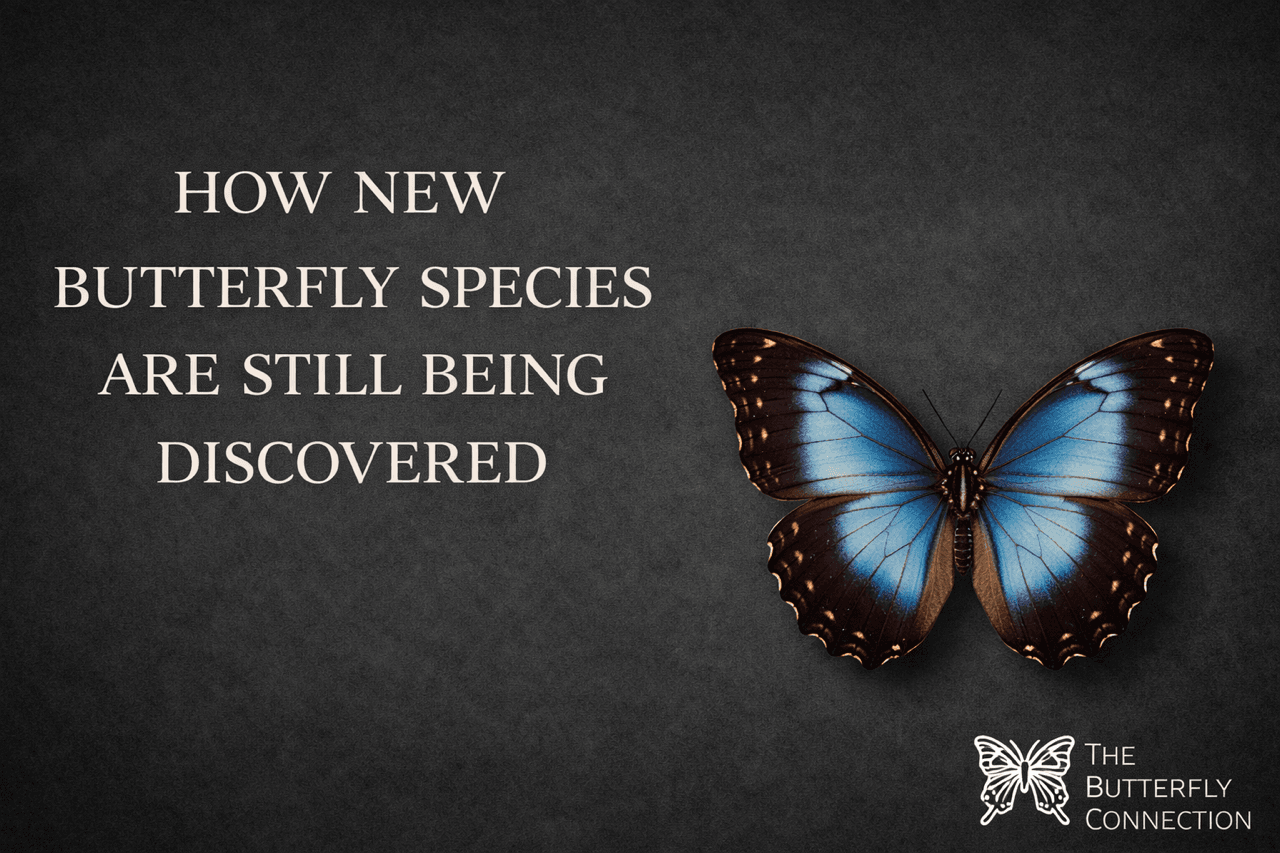
When we think about discovering a new butterfly species, many of us imagine scientists trekking through rainforests with nets in hand. While fieldwork remains critical, some of the most exciting butterfly discoveries today are happening in a far quieter place — inside museum collections.
Natural history museums around the world house millions of preserved butterflies, some collected decades or even centuries ago. Thanks to modern science, these carefully archived specimens are now revealing secrets no one knew they held.
The Hidden World Inside Butterfly Collections
Museum drawers may look still, but they are anything but static. Many butterflies were originally grouped together based on visible similarities — wing color, pattern, and size. At the time, visual inspection was the primary method of classification.
Today, researchers are revisiting these collections using DNA sequencing, allowing them to look beyond appearances. By analyzing genetic material, scientists can determine whether specimens that look nearly identical are actually distinct species.
In recent research led by scientists at the Natural History Museum in London, multiple new butterfly species were identified entirely from museum specimens — some preserved for over 100 years before being recognized as unique.
✨ These butterflies were collected long ago — but only truly discovered recently.
How DNA Is Changing Butterfly Science
Advances in genetic research have transformed how scientists understand butterflies. Modern techniques allow DNA to be extracted from preserved specimens without damaging them, opening the door to discoveries that were impossible just decades ago.
According to research highlighted by ScienceDaily, genetic analysis has revealed unexpected diversity within butterfly populations, helping scientists better understand evolution, migration, and adaptation.
These discoveries are particularly important in biodiversity-rich regions like South America, where visual similarities can easily mask genetic differences.
Why These Discoveries Matter
Identifying new butterfly species isn’t just exciting — it’s essential.
• Conservation depends on knowledge. A species cannot be protected if it hasn’t been identified.
• Butterflies are ecological indicators. Their health reflects the condition of broader ecosystems.
• Biodiversity is more complex than we once believed.
According to the U.S. Fish & Wildlife Service, butterflies play a critical role in pollination and ecosystem balance, making accurate species identification vital for conservation planning.
Museum collections, once thought of as static archives, are now recognized as living libraries that continue to shape scientific understanding.
Preserving Beauty, History, and Story
At The Butterfly Connection, this behind-the-scenes science resonates deeply with what we do. Every preserved butterfly carries a story — of place, time, and the natural environment it once inhabited.
Thoughtfully framed butterfly specimens allow us to appreciate the same intricate details scientists study: wing structure, symmetry, and color. Displayed with care, butterflies become more than décor — they are a celebration of nature, history, and discovery.
🦋 Explore our curated collection of framed butterflies and nature-inspired pieces:
👉 https://thebutterflyconnection.com/
A Sense of Discovery That Never Ends
The fact that new butterfly species are still being identified from museum drawers is a powerful reminder: discovery doesn’t always require traveling farther — sometimes it means looking closer.
Butterflies continue to surprise us, inspire curiosity, and connect science with beauty. That enduring sense of wonder is exactly why they remain timeless.