Pollinator Month Spotlight from The Butterfly Connection
When most people think about pollinators, they picture a monarch butterfly drifting through a sunny meadow or a bee moving from flower to flower on a warm summer afternoon.
But while daytime pollinators receive most of the attention, an entirely different team begins working when the sun goes down.
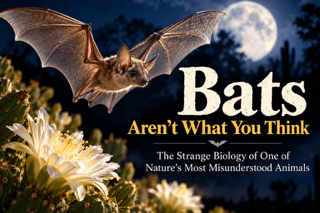
During Pollinator Month, it’s important to recognize that pollination is not just a daytime activity. Every night, a fascinating community of night pollinators takes over. Moths, beetles, flies, and even bats in some parts of the world help flowering plants reproduce while most of us are asleep.
If you’ve enjoyed our recent articles on How Butterflies Communicate Without Sound and How Butterflies Use the Sun as Nature’s GPS, you’ll love exploring another side of the pollinator world—one that comes alive after dark.
These often-overlooked nocturnal pollinators play a critical role in maintaining healthy ecosystems and supporting the plants that butterflies and other wildlife depend upon.
Meet the Night Shift: Nature’s Most Important Night Pollinators
Moths: The Unsung Heroes of Nighttime Pollination
When discussing pollinators after dark, moths deserve the spotlight.
Moths are among the most important nighttime pollinators in North America. Much like butterflies, they feed on nectar using a long, straw-like mouthpart called a proboscis. As they visit flowers, pollen sticks to their bodies and is transferred to other plants.
Scientists have discovered that some moth species may transport pollen surprisingly long distances, helping maintain genetic diversity among wild plant populations.
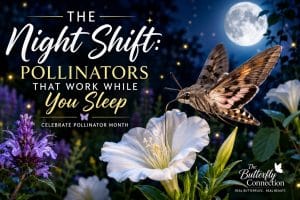
One of the most impressive examples is the hawk moth, also known as a sphinx moth. These remarkable insects can hover in front of flowers much like hummingbirds, collecting nectar while carrying pollen from bloom to bloom.
Despite their importance, moth pollinators rarely receive the recognition given to butterflies and bees.
Beetles: Ancient Pollinators with a Long History
Long before bees became the dominant pollinators we know today, beetles were already helping plants reproduce.
In fact, beetles are among the earliest pollinators in evolutionary history. Today, thousands of beetle species continue to visit flowers and contribute to nighttime pollination.
Many flowers with large, open blooms are especially attractive to beetles. While they may not be as efficient as some other pollinators, their combined impact on ecosystems is significant.
Night-Flying Flies
Several species of flies are also active after sunset and participate in pollination.
Although they don’t receive much public attention, these insects contribute to the diversity of pollinators that help flowering plants thrive. Together with moths and beetles, they form an essential part of the nighttime pollinator community.
Why Some Flowers Bloom for the Night Shift
Have you ever noticed that many night-blooming flowers are white or pale in color?
That’s no accident.
Flowers that rely on nocturnal pollinators have evolved unique adaptations that make them easier to locate in darkness.
These plants often feature:
- White or cream-colored petals that reflect moonlight
- Large blooms that are easy to see at night
- Strong fragrances that become more intense after sunset
- Deep nectar reserves that reward nighttime visitors
Popular examples include:
- Evening Primrose
- Moonflower
- Four O’Clocks
- Night-Blooming Jasmine
- Certain native prairie wildflowers
Because scent becomes more important than color at night, many of these flowers release their strongest fragrances after sunset, helping guide night pollinators directly to their blooms.
Butterflies and the Bigger Pollinator Picture
At The Butterfly Connection, we spend a lot of time celebrating butterflies—and for good reason.
Butterflies inspire curiosity, conservation, and a deeper appreciation for the natural world. However, healthy ecosystems depend on far more than butterflies alone.
The same habitats that support monarchs, swallowtails, and painted ladies often provide resources for moths, native bees, beetles, and other pollinators.
If you’re planning a pollinator-friendly garden this summer, be sure to check out our article:
Top 10 Native Flowers for Summer Butterflies
Native flowering plants provide nectar and habitat for pollinators around the clock, helping both daytime and nighttime species thrive.
How You Can Support Night Pollinators
Supporting pollinators after dark doesn’t require major changes. A few simple choices can make a meaningful difference.
Plant Native Flowers
Native plants evolved alongside local pollinators and provide the food and habitat they need to survive.
According to the Xerces Society for Invertebrate Conservation, native flowering plants are among the most effective ways homeowners can support pollinators.
Learn more at: https://www.xerces.org
A diverse mix of native flowers with staggered bloom times helps ensure nectar is available throughout the growing season.
Reduce Outdoor Lighting
Artificial light can interfere with the behavior and navigation of many night pollinators, particularly moths.
Consider:
- Using motion-activated lights
- Choosing warm-colored bulbs
- Turning off unnecessary outdoor lighting
- Shielding fixtures to reduce light pollution
Small changes can make your yard more welcoming to nocturnal wildlife.
Leave Some Wild Spaces
Not every part of your landscape needs to be perfectly maintained.
Leaf litter, native grasses, fallen branches, and natural areas provide shelter for pollinators throughout their life cycles.
Many beneficial insects rely on these spaces for resting, overwintering, and reproduction.
Why Pollinator Diversity Matters
The U.S. Forest Service notes that pollinators include a wide variety of insects and animals, each playing a unique role in ecosystem health.
Learn more: https://www.fs.usda.gov/wildflowers/pollinators/index.shtml
When we focus only on the most visible species, we can overlook the incredible diversity that makes pollination possible.
Butterflies may capture our attention during the day, but moths and other nocturnal pollinators continue the work long after sunset.
Together, these species form a complex network that supports wildflowers, native plants, agricultural crops, birds, and countless other forms of wildlife.
Pollination Never Sleeps
Pollinator Month is a reminder that nature works around the clock.
While butterflies often steal the show during daylight hours, an entire community of night pollinators quietly takes over after dark. These insects help ensure that flowers continue to reproduce, ecosystems remain healthy, and future generations can enjoy the beauty of both butterflies and blooming landscapes.
The next time you step outside on a warm summer evening, take a moment to appreciate the hidden activity around you.
Somewhere in the darkness, a moth may be hovering near a flower, carrying out a partnership between plants and pollinators that has existed for millions of years.
The night shift is hard at work.
Explore the Beauty of Pollinators Year-Round
At The Butterfly Connection, we celebrate the beauty and diversity of pollinators through real butterfly art, educational gifts, jewelry, and nature-inspired décor.
Whether you’re a gardener, butterfly enthusiast, or lifelong nature lover, our collection helps bring the wonder of pollinators into your home while fostering appreciation for the ecosystems they support.
For additional pollinator resources, visit: